PressureCalm Ingredients & Side Effects: An Honest, Evidence-Based Breakdown
What are the ingredients in PressureCalm, and are they safe?
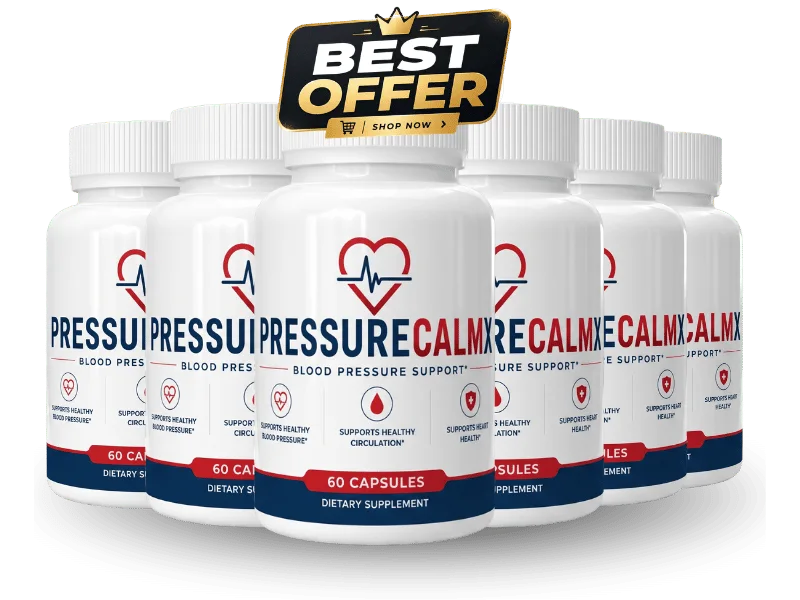
PressureCalm is a botanical blend built around hawthorn, garlic, olive leaf, buchu, juniper and uva ursi, delivered as two capsules a day inside a single 620 mg proprietary blend. The individual herbs are well studied for cardiovascular support and are well tolerated by most healthy adults, but the blend hides the exact per-ingredient dose, and the diuretic herbs can interact with medication.
- Core PressureCalm ingredients: hawthorn, garlic, olive leaf, plus the diuretic herbs buchu, juniper and uva ursi.
- Common mild effects: stomach upset, garlic breath or reflux, and more frequent urination.
- Talk to your doctor first if you take diuretics, blood-pressure drugs, blood thinners, or have kidney disease.
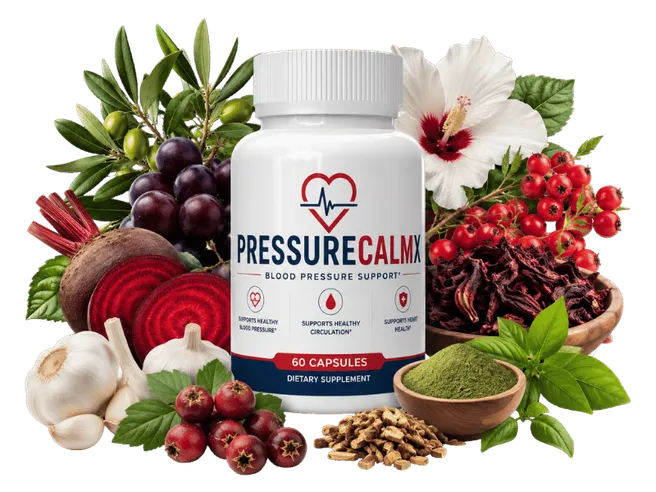
If you are researching PressureCalm ingredients before you buy, you are doing exactly the right thing. Blood pressure is not a place for guesswork, and a supplement you take twice a day, every day, deserves the same due diligence you would give a new medication. The good news is that PressureCalm (the label reads PressureCalmX) is not built on some mystery molecule — it is a blend of long-used cardiovascular and diuretic botanicals, most of which you can look up in the scientific literature yourself. The catch, which we will come back to, is the word "blend."
This article walks through every named ingredient, what the evidence actually says about it, the doses researchers have used, and the side effects and drug interactions honest buyers need on their radar. We are an independent affiliate review team, not the manufacturer and not doctors, and nothing here is medical advice — but we read labels for a living, and we will tell you what we would want a family member to know.
What is actually inside PressureCalm?
PressureCalm is a two-capsule daily supplement, 60 capsules per bottle, so one bottle is a 30-day supply. Everything active sits inside a single 620 mg proprietary blend. That structure matters more than it looks: a proprietary blend lists all the herbs and one combined weight, but it does not tell you how many milligrams of hawthorn versus garlic versus juniper you are getting. So while we can be confident about which PressureCalm ingredients are present, we cannot verify how much of each — a point we flag honestly throughout.
| Ingredient | Traditional role |
|---|---|
| Hawthorn (leaf/flower/berry) | Cardiovascular tonic |
| Garlic | Circulatory support |
| Olive leaf | Vascular / antioxidant |
| Buchu | Diuretic herb |
| Juniper | Diuretic herb |
| Uva ursi | Diuretic / urinary herb |
| Amounts of each herb are not disclosed individually because they sit inside one 620 mg proprietary blend. | |
The PressureCalm ingredients, one by one
Hawthorn
Hawthorn (Crataegus) is the headline botanical here and the one with the deepest research history. It has been studied for its role in supporting healthy heart function and circulation, with trials in cardiac support typically using standardised extracts in the range of roughly 300–1,800 mg per day, split across doses. Hawthorn is generally well tolerated; reported side effects are usually mild and can include occasional dizziness, headache or digestive upset. Its relevance to a blood-pressure blend is real — but remember, without a disclosed hawthorn dose you cannot know whether PressureCalm delivers a study-sized amount or a token pinch.
Garlic
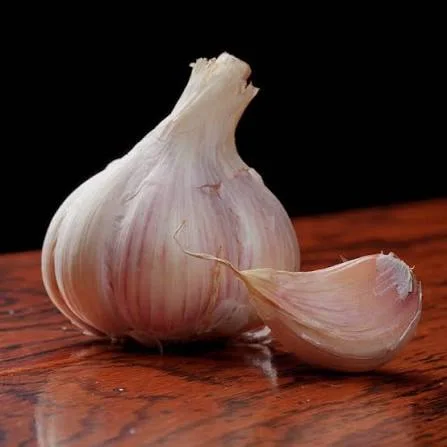
Garlic is one of the most researched dietary ingredients for cardiovascular support. Aged garlic and standardised garlic extracts have been examined for their role in supporting healthy circulation and blood pressure already within a normal range, with meta-analyses generally using the equivalent of several hundred milligrams to a couple of grams of garlic preparation daily. The most common downsides are unglamorous rather than dangerous: garlic breath and body odour, heartburn, and mild stomach upset — more likely if you take it on an empty stomach. Garlic can also have a mild blood-thinning effect, which matters if you are on anticoagulants (more on that below).
Olive leaf
Olive leaf extract, rich in the polyphenol oleuropein, has been studied for vascular and antioxidant support. Small trials of standardised olive leaf extract have used doses in the region of 500–1,000 mg per day. Side effects are uncommon and mild — occasional stomach discomfort or headache. As with the others, the honest caveat is dose transparency: olive leaf is a legitimate cardiovascular botanical, but its contribution inside a 620 mg blend shared with five other herbs is impossible to quantify from the label alone.
The diuretic herbs: buchu, juniper and uva ursi
This is the trio that deserves the closest reading, because it defines both how PressureCalm is meant to feel and where its interactions live. Buchu, juniper and uva ursi are traditional diuretic ("water-shedding") herbs. Diuretic action can support the body's normal fluid balance, and reducing fluid volume is one recognised lever in the blood-pressure conversation — which is exactly why prescription "water pills" exist. That overlap is the point to hold on to: a herbal diuretic and a prescription diuretic pull in the same direction, and stacking them without medical guidance can push things too far.
These herbs also come with their own cautions. Uva ursi contains hydroquinone-related compounds and is intended for short-term use only, not months of continuous dosing. Juniper is likewise not recommended for prolonged use or for anyone with kidney problems, and neither is appropriate in pregnancy. None of this makes them "bad" — traditional herbalists have used them carefully for generations — but it does make the "who should not take this" section further down non-negotiable reading.
What is not in PressureCalm (and why people ask)
Buyers frequently ask whether PressureCalm contains magnesium, CoQ10 or hibiscus, because those are the actives most associated with the category. It does not — PressureCalm is a botanical-and-diuretic formula, not a mineral or CoQ10 product. That is not a criticism, just a fact worth knowing if you are comparing options. If a mineral-first approach interests you, our guide to magnesium dosage for blood pressure support covers what the evidence says, and our overview of CoQ10 benefits for heart health explains where that antioxidant fits. Knowing what a formula leaves out is as much a part of due diligence as knowing what it includes.
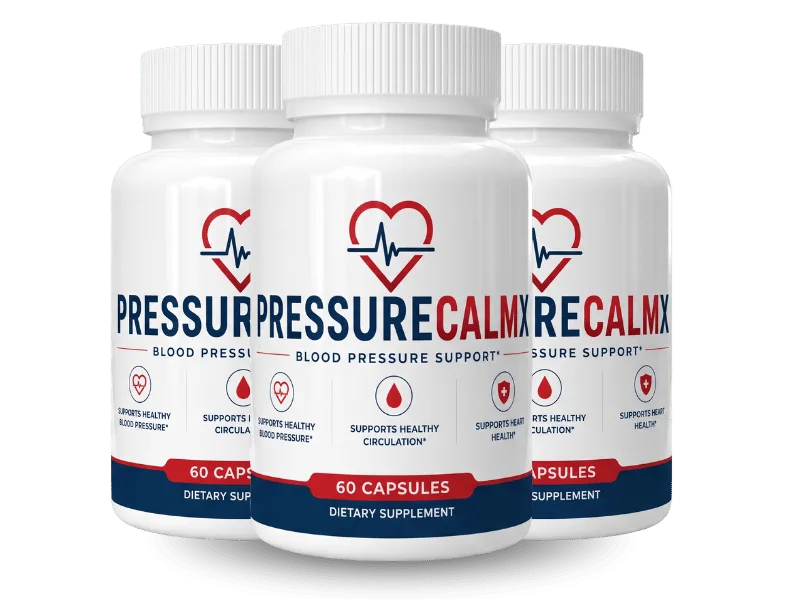
Want the current label and pricing?
The official store lists the exact blend, the current price per bottle and the 60-day money-back guarantee — the safest place to confirm what you are buying.
Check PressureCalm on the Official StorePressureCalm side effects: what to actually expect
For most healthy adults, the PressureCalm ingredients are well tolerated at the two-capsule daily dose. The most likely effects are mild and predictable from the herbs involved:
- Digestive upset — nausea, mild stomach ache or loose stools, most often when capsules are taken on an empty stomach. Taking PressureCalm with food usually settles this.
- Garlic-related effects — breath or body odour and occasional reflux, thanks to the garlic component.
- Increased urination — a direct, expected result of the diuretic herbs. Stay hydrated, and avoid taking your second capsule too close to bedtime if night-time trips bother you.
- Rare reactions — as with any botanical, allergic reactions (rash, itching, swelling) are possible. Stop immediately and seek advice if any appear.
You will notice we are not repeating any "fishy aftertaste" warning you may have read on other blood-pressure supplement pages — that effect comes from omega-3 fish oil, which PressureCalm does not contain. It is a good example of why generic supplement advice can mislead: side effects follow the actual ingredients, and the actual ingredients here are herbal.
Is PressureCalm safe to take with medications?
This is the single most important question for anyone already managing their blood pressure, and the honest answer is: not without professional advice. The interactions are not exotic — they are the direct, logical consequence of what is in the blend:
- Prescription diuretics ("water pills") — the herbal diuretics in PressureCalm work in the same direction, so combining them can over-shed fluid and disturb electrolytes such as potassium and sodium.
- Blood-pressure medication (ACE inhibitors, ARBs, beta-blockers, calcium channel blockers) — botanicals that support circulation on top of an antihypertensive can, in principle, push readings lower than intended. Your clinician can tell you whether that is a concern for you.
- Blood thinners and antiplatelet drugs (e.g. warfarin, aspirin) — garlic (and, to a lesser degree, hawthorn) can have mild anticoagulant effects that may add to prescription blood thinners.
- Heart medications such as digoxin — hawthorn has known theoretical interactions with certain cardiac drugs and should be discussed with a doctor.
- Lithium and kidney conditions — diuretic herbs can affect how the kidneys handle certain drugs and fluids; anyone with kidney disease should be especially cautious.
The single best move is a two-minute conversation with your doctor or pharmacist. Bring the ingredient list (or this page) and ask directly whether any herb clashes with your current prescriptions. That is not a formality — it is the difference between a supplement being a reasonable experiment and being a genuine risk.
Are PressureCalm ingredients backed by science?
Partly, and it is worth being precise about the "partly." The individual herbs — especially hawthorn, garlic and olive leaf — have a real body of research behind them for cardiovascular and circulatory support. That is more than can be said for many trendy supplement ingredients. But two honest qualifiers apply. First, the evidence for botanicals is often mixed, drawn from small trials, and describes support for blood pressure already within a normal range rather than treatment of high blood pressure — a dietary supplement cannot legally claim the latter, and we do not either. Second, and most importantly, evidence for an ingredient is not evidence for a product. Because PressureCalm uses a proprietary blend, you cannot confirm that any herb is present at the dose used in the studies you might read. So treat the research as encouraging for the herbs, not as proof of this specific formula.
On quality, the manufacturer states the product is made in a GMP-certified facility. That is a genuine positive for manufacturing consistency — but read it accurately: "GMP certified" and "made in an FDA-registered facility" describe where and how a supplement is produced, not FDA approval of the product or its claims. The FDA does not approve dietary supplements. If independent, third-party testing certificates matter to you (they reasonably might), look for them on the official store or ask customer support directly before buying.
How to take PressureCalm for a fair evaluation
Ingredients only matter if you take them in a way that lets them work, so the practicalities are worth spelling out. The standard serving is two capsules a day, and the single most useful habit is to take them with food — that alone heads off most of the mild stomach upset and garlic reflux described above. Consistency beats intensity: a botanical blend is judged over weeks, not days, so aim for the same routine every day rather than doubling up when you remember. Because of the diuretic herbs, many people prefer taking the second capsule earlier in the day so that increased urination does not interrupt sleep.
Set expectations honestly, too. A fair evaluation of any blood-pressure support botanical runs across roughly 8 to 12 weeks of uninterrupted use, paired with the fundamentals that genuinely matter — sensible sodium intake, regular movement, decent sleep, and your clinician's guidance. Track your own readings with a home cuff at consistent times rather than trusting how you feel, and do not treat PressureCalm as a reason to relax the basics. Used that way, the ingredients get their best chance to contribute, and you get honest data to decide whether to continue.
Who should talk to a doctor before taking PressureCalm?
Some people should treat medical sign-off as mandatory rather than optional. Speak to a clinician first if you: take any prescription blood-pressure medication or diuretic; take blood thinners; have kidney disease or a history of kidney stones; are pregnant or breastfeeding; have a scheduled surgery within two weeks (the mild blood-thinning potential of garlic matters here); or manage a chronic heart condition. And to be completely clear — a supplement is never a substitute for prescribed medication. Do not stop or reduce a prescription in favour of PressureCalm; that decision belongs to you and your doctor together, with a real blood-pressure cuff, not a web page.
Related reading
PressureCalm reviews: does it actually work?
What the ingredients and the label realistically support — and what they don't.
Magnesium for blood pressure: the dosage evidence
What a mineral-first approach looks like and how much research uses.
CoQ10 benefits for heart health, explained
Where this antioxidant fits in the cardiovascular supplement picture.
Where to buy PressureCalm & what it costs
Official-store pricing, bundle savings and the money-back guarantee.
Decided PressureCalm fits your due diligence?
Buy from the official store to guarantee an authentic product, the current blend, and the 60-day money-back guarantee.
Order PressureCalm From the Official StoreFrequently asked questions
What are the ingredients in PressureCalm?
PressureCalm (labelled PressureCalmX) is a botanical formula built around cardiovascular and diuretic herbs — chiefly hawthorn, garlic, olive leaf, buchu, juniper and uva ursi — combined in a single 620 mg proprietary blend, two capsules a day. Because it is a proprietary blend, the label publishes one combined total rather than the milligram amount of each individual herb.
Does PressureCalm have any side effects?
For most healthy adults the botanicals in PressureCalm are well tolerated, but mild effects are possible: stomach upset or nausea, garlic-related breath or reflux, and more frequent urination from the diuretic herbs. Uva ursi and juniper are not meant for long, continuous use. Stop and speak to a clinician if you notice a rash, dizziness or anything unusual.
Is PressureCalm safe to take with medications?
Not without medical advice. The diuretic herbs can add to the effect of prescription water pills and blood-pressure drugs, garlic and hawthorn may interact with blood thinners and heart medication, and combining diuretics can affect potassium and fluid balance. If you take any antihypertensive, anticoagulant, or have kidney disease, ask your doctor or pharmacist before starting.
Are PressureCalm ingredients backed by science?
The individual herbs — hawthorn, garlic and olive leaf in particular — have been studied for cardiovascular support, with mixed but real evidence. The catch is dosage: because PressureCalm uses a proprietary blend, you cannot confirm that any single ingredient is present at the amount used in those studies, so treat the research as suggestive of the herbs, not proof of this exact product.