Magnesium Supplement for Blood Pressure: Dosage and Timing
How much magnesium should I take for blood pressure?
Studies of a magnesium supplement for blood pressure have used roughly 82 to 637 mg a day, with a median near 365 mg over about twelve weeks. Most people stay around the 350 mg supplement upper limit unless a clinician advises more. A 2025 meta-analysis found average drops of about 2.81 mmHg systolic and 2.05 mmHg diastolic.
- Choose a gentle, well-absorbed form: magnesium glycinate or citrate over oxide.
- The biggest effects show up in people who are low in magnesium or already on blood pressure medication.
- Magnesium interacts with some diuretics and antibiotics — clear it with your clinician first.
Of all the nutrients marketed for cardiovascular health, magnesium has some of the most consistent, if modest, evidence behind it. If you are researching a magnesium supplement for blood pressure, the useful questions are not "does it work" in the abstract, but how much, which form, when to take it, and who benefits most. This guide answers those directly and honestly, including the parts the label rarely mentions. None of it is medical advice, and magnesium is not a substitute for prescribed medication — it is a supporting mineral, and it behaves like one.
Here is why magnesium matters at all for pressure. It is a cofactor in hundreds of enzyme reactions, and in the blood vessels specifically it helps smooth muscle relax and supports the balance of calcium and potassium that governs vascular tone. When intake is low — and modern diets heavy in processed food often are — that balance tilts the wrong way. Correcting a shortfall is where most of the measurable benefit comes from.
What the evidence on a magnesium supplement for blood pressure shows
Let us put real numbers on it. A 2025 meta-analysis pooling controlled trials found that magnesium supplementation lowered systolic pressure by an average of about 2.81 mmHg and diastolic by about 2.05 mmHg. That is a genuine effect, but a small one — roughly a third of what the DASH diet delivers. Anyone selling magnesium as a dramatic fix is overselling it.
The more interesting finding is who moves the most. The reductions were larger in two groups: people who were genuinely low in magnesium to begin with, and people already taking blood pressure medication. That fits the mechanism — you get the biggest return from topping up a deficiency, not from piling extra onto an already-adequate level. If your diet is rich in greens, nuts, beans and whole grains, a supplement will do less for you than it will for someone living on ultra-processed food.
Across the trials, doses ranged widely — from about 82 mg a day at the low end to 637 mg at the high end, with a median around 365 mg — and most studies ran for roughly twelve weeks. That twelve-week figure is the one to internalise: this is a slow, cumulative effect, not something you feel the same afternoon.
How much magnesium to take (and the ceiling to respect)
For a general supplemental dose, most people sit somewhere between 200 and 400 mg of elemental magnesium a day. There is an important safety marker here: the tolerable upper intake level for magnesium from supplements is 350 mg a day for adults. That ceiling applies to what you add on top of food, not to magnesium from the diet itself, and it exists mainly because higher supplemental doses trigger digestive upset. Some trials used more than 350 mg under supervision, which is fine in a study — but it is not a licence to self-prescribe a mega-dose at home.
The sensible approach is to count food first. Half a plate of vegetables, a handful of nuts, some beans or whole grains, and you are already meeting a good chunk of your needs. A supplement then closes the gap rather than replacing the plate. If you want the full picture of how food and supplements combine, our guide on how to lower blood pressure naturally and fast puts magnesium in context with the diet and movement changes that move the number more.

Which form of magnesium is best?
Form matters more than most shoppers realise, because the number on the front of the bottle is often the weight of the whole compound, not the elemental magnesium you actually absorb. The practical hierarchy:
- Magnesium glycinate — magnesium bound to the amino acid glycine. Well absorbed and the gentlest on the gut, which makes it the go-to for daily use and for anyone prone to loose stools.
- Magnesium citrate — well absorbed and inexpensive, but its mild laxative pull means higher doses can loosen stools. A solid middle option.
- Magnesium oxide — cheap and common, but poorly absorbed, so much of it passes through and it is more likely to cause digestive upset. Great as a laxative, mediocre as a supplement.
For a blood-pressure goal you want a bioavailable, gentle form you will actually keep taking for the twelve-plus weeks it needs. Glycinate and citrate fit that bill; oxide generally does not. When you compare products, check whether the label lists elemental magnesium and which salt it used — that single detail separates a serious formula from filler.
When to take it, and for how long
Timing is forgiving. Magnesium does not need an empty stomach; taking it with a meal actually reduces the chance of digestive upset. Many people prefer it in the evening because it can have a mild calming, sleep-supportive effect, and better sleep is itself friendly to blood pressure. If you take a larger amount, splitting it into two smaller doses across the day improves tolerance and absorption — which is one reason PressureCalmX is a twice-daily, with-food capsule rather than a single big pill.
On duration: commit to at least eight to twelve weeks before you decide whether it is doing anything, and track home readings rather than going by feel. Magnesium's effect is quiet and cumulative; there is no dramatic day-one signal to wait for.
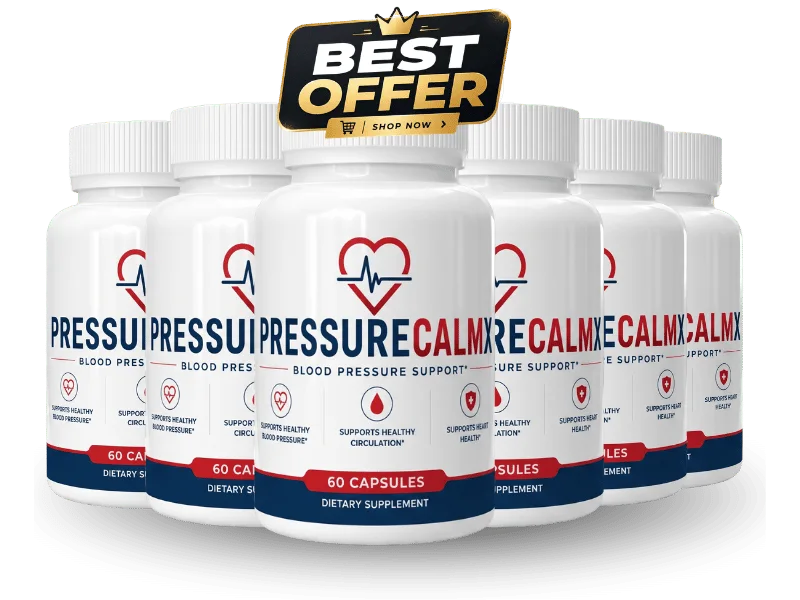
Magnesium, in a blend built for daily use
PressureCalmX pairs bioavailable magnesium with cardiovascular botanicals in a twice-daily, with-food capsule — formulated to support blood pressure already within a normal range.
See PressureCalmX at the Official StoreSide effects and who should be cautious
Magnesium is well tolerated for most people, and the most common complaint is simply loose stools or mild diarrhoea when the dose is too high or the form is poorly absorbed — usually solved by lowering the dose or switching to glycinate. The more important cautions are about interactions and kidneys.
Kidneys: your kidneys clear excess magnesium, so if you have reduced kidney function, magnesium can build up to unsafe levels. Anyone with chronic kidney disease should only take it under medical supervision. Diuretics: some diuretics change how much magnesium you retain, in both directions, so the interaction cuts both ways. Antibiotics: magnesium can bind certain antibiotics — some tetracyclines and quinolones — and blunt their absorption, so those should be spaced several hours apart. Blood pressure medication: because magnesium can add to a medicine's pressure-lowering effect, stacking the two without telling your clinician can push readings lower than intended.
The rule that covers all of this: if you take any prescription medication, or manage a health condition, clear a magnesium supplement with your clinician or pharmacist first. That is not boilerplate — it is the single step that keeps a helpful mineral from becoming a problem.
Signs you might be running low
Because the biggest blood-pressure benefit shows up in people who are actually deficient, it helps to know whether that is you. Low magnesium is common but easy to miss, partly because a standard blood test measures serum magnesium — and less than one percent of the body's magnesium lives in the blood, so a "normal" result can still hide a whole-body shortfall. The everyday signals people report include muscle cramps and twitches, restless or poor sleep, low energy, and a general sense of being wired-but-tired. None of these prove a deficiency on their own, but they raise the odds — especially if your diet is light on greens, nuts and whole grains, or if you drink a lot of alcohol or take a diuretic, both of which drain magnesium.
The point is not to self-diagnose from a symptom list. It is to recognise that if you tick several of those boxes and eat a processed-heavy diet, you are exactly the person a modest magnesium supplement is most likely to help — and the person for whom the couple of mmHg in the trials may under-sell the real-world benefit.
Best dietary magnesium sources
Since food should come first, here is where magnesium actually lives. The densest sources are pumpkin and chia seeds, almonds and cashews, dark leafy greens like spinach and Swiss chard, black beans and edamame, whole grains such as oats, brown rice and quinoa, and — pleasingly — dark chocolate with a high cocoa content. Fatty fish and plain yoghurt add smaller amounts. A day that includes a handful of nuts or seeds, a serving of greens and a serving of beans or whole grains gets most people a long way toward their target without a single capsule. A supplement then tops up the gap on the days real life gets in the way, which is precisely the supporting role it is meant to play alongside a food-first approach.
Two objections worth answering
"If the effect is only a couple of mmHg, why bother?" Because blood pressure control is additive. A few mmHg from magnesium, a few more from potassium-rich eating, a bigger chunk from the DASH pattern and exercise — stacked together, small levers add up to a number your clinician can see. Magnesium earns its place as one of several supporting nutrients, not as a headline act. Our roundup of supplements that support blood pressure naturally shows how the pieces combine.
"Can't I just eat more magnesium?" Ideally, yes — and you should try. Greens, pumpkin seeds, almonds, beans, whole grains and dark chocolate are all good sources. But real diets fall short, and processing strips magnesium from food. A supplement is insurance against the gap, not a reason to eat worse. For people who are genuinely low, that gap is exactly where the measurable benefit lives.
Where PressureCalmX fits
PressureCalmX includes bioavailable magnesium as part of a broader cardiovascular blend rather than as a standalone mega-dose, delivered in a twice-daily capsule taken with food — the timing that tolerance and absorption both prefer. It is labelled, as the category legally must be, to support blood pressure already within a normal range, and it is designed to sit alongside a magnesium-aware diet, not to excuse skipping it. If you want to understand exactly what else is in the formula and how the pieces interact, read our breakdown of the PressureCalmX ingredients and side effects before you buy.
Want magnesium plus a full heart-support blend?
Two capsules a day, with a meal, backed by a 60-day money-back guarantee from the official store.
Order PressureCalmX NowFrequently asked questions
How much magnesium should I take for blood pressure?
Trials have used a wide range, from about 82 to 637 mg a day, with a median around 365 mg over roughly twelve weeks. Most people stay near the tolerable upper limit of 350 mg a day from supplements unless a clinician advises otherwise. Food counts too, so factor in a magnesium-rich diet before stacking a high dose.
Which form of magnesium is best for blood pressure?
Well-absorbed, gentle forms are the practical choice: magnesium glycinate and magnesium citrate are the usual picks because they cause fewer digestive problems than magnesium oxide. Citrate can still loosen stools at higher doses, while glycinate tends to be the easiest on the gut.
How long does magnesium take to lower blood pressure?
Most trials run for about twelve weeks, so give it a couple of months of consistent daily use before judging it. A 2025 meta-analysis found average reductions of roughly 2.81 mmHg systolic and 2.05 mmHg diastolic, with larger effects in people who were low in magnesium or already taking blood pressure medication.
Can magnesium interact with blood pressure medication?
Yes. Magnesium can add to the effect of some blood pressure medicines and interacts with certain diuretics and antibiotics, and it should be used carefully if you have reduced kidney function. Always tell your clinician or pharmacist before adding a magnesium supplement to prescribed medication.
Related reading
Supplements to lower blood pressure naturally
How magnesium ranks against the other blood-pressure nutrients worth your money.
CoQ10 benefits for heart health
The other mineral-and-nutrient story worth knowing, especially if you take a statin.
How to lower blood pressure naturally & fast
The diet, movement and stress levers that move the number more than any pill.
PressureCalmX ingredients & side effects
Everything in the blend, what the doses can do, and what to watch for.
References
- 2025 meta-analysis of magnesium supplementation and blood pressure (approximately -2.81 mmHg systolic, -2.05 mmHg diastolic).
- Trial dose range of roughly 82–637 mg/day (median ~365 mg) over about twelve weeks.
- Institute of Medicine tolerable upper intake level for supplemental magnesium (350 mg/day for adults).