Supplements to Lower Cholesterol Naturally: What Actually Has Evidence
What are the best supplements to lower cholesterol?
The best-supported supplements to lower cholesterol are red yeast rice standardised for monacolin K, citrus bergamot, plant sterols at about 2 grams daily, soluble fiber, and omega-3s for triglycerides. Each works through a different pathway, so results depend on your numbers, your diet and how consistently you take them. Talk to a clinician before combining any with prescription medication.
- Red yeast rice and citrus bergamot carry the most direct evidence for lowering LDL cholesterol.
- Plant sterols (about 2 g/day) and soluble fiber work by blocking cholesterol absorption in the gut.
- Omega-3 EPA and DHA mainly move triglycerides rather than LDL, so choose by the number you want to change.
If your last blood test came back with an LDL number your doctor circled, you have probably typed "supplements to lower cholesterol" into a search bar and hit a wall of confident claims. Some of those claims are backed by decades of human trials. Many are backed by a single mouse study and a lot of marketing. This guide sorts the short list that actually has evidence from the long list that does not, explains how each one works, and is honest about where a supplement helps and where it simply cannot compete with a prescription and a plate of vegetables.
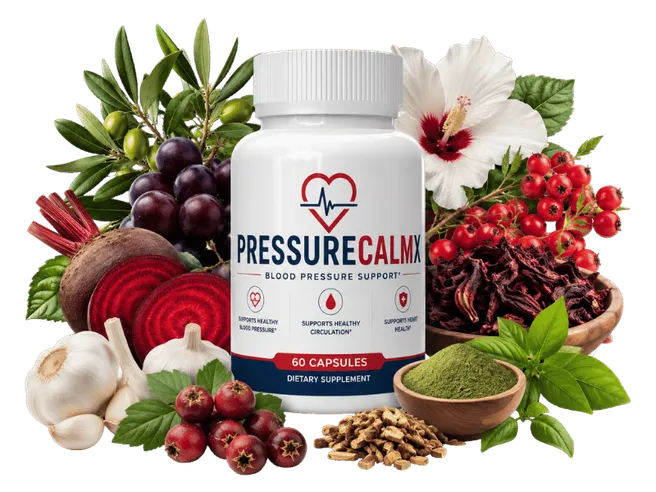
First, the framing that matters: cholesterol is only one half of cardiovascular risk. Blood pressure is the other half, and the two travel together far more often than people expect. So while this article is about lipids, we will also be clear about where a blood-pressure blend such as PressureCalmX fits into a whole-heart routine — and, just as importantly, where it does not. No supplement on this page is sold to treat, cure or prevent high cholesterol or heart disease. They support a body that is already doing most of the work.
How supplements to lower cholesterol actually work
There are only a few levers a supplement can pull on your lipid panel, and understanding them tells you instantly why some products can be stacked and others are redundant. Your body gets cholesterol from two places: what you eat, and what your liver manufactures. Roughly speaking, the supplements worth knowing about act on one of four mechanisms.
Blocking production. This is the statin mechanism — inhibiting an enzyme called HMG-CoA reductase that the liver uses to build cholesterol. One supplement, red yeast rice, contains a natural version of exactly that molecule.
Blocking absorption. Plant sterols and soluble fiber both reduce how much cholesterol your gut lets through, so more of it leaves the body instead of entering the bloodstream.
Modulating the lipid profile. Some polyphenol-rich botanicals, citrus bergamot chief among them, appear to nudge several markers at once — LDL down, HDL up, triglycerides down — through effects on liver metabolism rather than a single enzyme.
Targeting triglycerides. Omega-3 fatty acids are the odd one out: they do relatively little to LDL but are among the most reliable ways to bring high triglycerides down. If triglycerides are your problem number, the right supplement is different from someone chasing an LDL target.
Keep those four buckets in mind and the whole category stops looking like a wall of noise. You are not choosing the "best" supplement in the abstract; you are choosing the one that pulls the lever your particular blood test says needs pulling.
The five best-supported supplements to lower cholesterol
1. Red yeast rice (monacolin K)
Red yeast rice is fermented rice that naturally produces monacolin K — a molecule chemically identical to the prescription statin lovastatin. That is why it works, and also why it deserves respect rather than casual use. Human trials consistently show red yeast rice lowering LDL, sometimes substantially, over four to twelve weeks. The catches are real: potency varies wildly between brands because monacolin content is not standardised, some products have been found contaminated with a toxin called citrinin, and because it behaves like a low-dose statin it carries the same potential for muscle aches and the same drug interactions. Many people pair it with CoQ10, since statin-like compounds can deplete the body's CoQ10. If you take a prescription statin, taking red yeast rice on top of it is doubling the same drug — a conversation for your clinician, not a self-experiment.
2. Citrus bergamot
Citrus bergamot is a Mediterranean citrus whose polyphenol fraction has become one of the more interesting cholesterol supplements of the last decade. Studies using a standardised bergamot polyphenolic fraction, typically 500 to 1,000 mg daily, have reported improvements across LDL, HDL and triglycerides over roughly four to twelve weeks. It is generally well tolerated and, unlike red yeast rice, is not a statin in disguise, which makes it a common choice for people who cannot or prefer not to add statin-like compounds. We cover dosing and how to read a bergamot label in a dedicated guide to choosing a citrus bergamot supplement for cholesterol.
3. Plant sterols and stanols
Plant sterols are the least glamorous entry here and one of the best evidenced. At around 2 grams a day — the dose in products such as CholestOff and in sterol-fortified spreads — they block cholesterol absorption in the gut and reliably trim LDL by a modest but real amount. The evidence is solid enough that this is one of the few supplement claims regulators have historically allowed to reference heart health at all. They pair naturally with the other mechanisms because absorption-blocking is additive to production-blocking.
4. Soluble fiber
Soluble fiber — psyllium, oat beta-glucan, glucomannan — binds bile acids in the gut, forcing the liver to pull cholesterol out of the blood to make more. It is cheap, it is food-adjacent, and it works, though the effect size is gentle and depends on hitting a meaningful daily dose. Fiber also happens to help with fullness, blood sugar and regularity, which is why it is the one supplement on this list almost everyone can justify regardless of their cholesterol number.
5. Omega-3s (EPA and DHA)
If your triglycerides are high, omega-3 fish oil is the tool for that job. EPA and DHA support healthy triglyceride levels and, at higher intakes, can bring elevated triglycerides down considerably. They do little for LDL and can even nudge it up slightly in some people, so omega-3s are a triglyceride play, not an LDL play. We go deep on dosing, purity testing and softgel quality in our complete omega-3 fish oil guide for heart health.
Cover the blood-pressure half of the equation
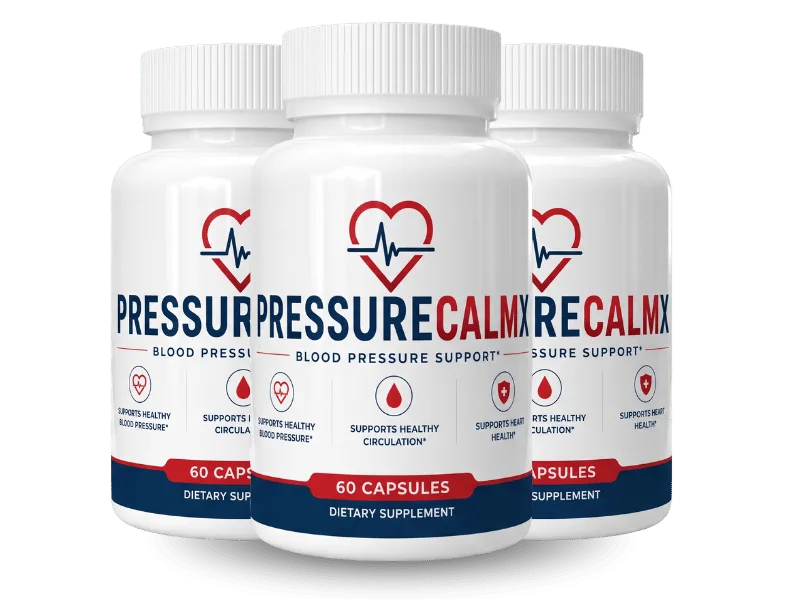
Cholesterol is one lever; vascular tone is the other. PressureCalmX combines eight botanicals — including garlic and olive leaf — in one twice-daily capsule to support blood pressure already within a normal range.
See PressureCalmX PricingWhere blood pressure fits into whole-heart support
Chasing LDL while ignoring blood pressure is like tuning one string on a guitar. The two risk factors compound each other, and the same lifestyle levers — weight, salt, movement, alcohol, sleep — move both. This is the honest place for a product like PressureCalmX in a cholesterol article: it is not a cholesterol supplement and we will not pretend it is. It is a blood-pressure support blend built around botanicals such as garlic, olive leaf, hawthorn, buchu and juniper, and its role is to support the pressure side of cardiovascular health while your cholesterol-focused supplements and diet handle the lipid side.
Several of PressureCalmX's ingredients do have cardiovascular research attached — garlic and olive leaf both appear in blood-pressure and lipid literature — but the label makes a structure/function claim about supporting blood pressure already within a normal range, not a cholesterol claim, and neither will we. If you want the detail on what that phrasing legally means, our breakdown of what blood pressure supplement labels are allowed to say is the most useful thing you can read before buying anything in this category.
Three myths about lowering cholesterol naturally
Myth 1: natural supplements work as fast and as well as statins. They do not. Prescription statins are precisely dosed, quality-controlled and studied against hard outcomes like heart attacks over years. The best supplements can shift a lipid panel; none has that outcome evidence behind it. Red yeast rice comes closest precisely because it contains a statin molecule — which is also why it shares the drawbacks. Anyone selling a botanical as a drop-in statin replacement is overselling it.
Myth 2: "natural" means risk-free. Red yeast rice can cause muscle pain and interacts with the same drugs statins do. Plant sterols can lower fat-soluble vitamin absorption. High-dose fish oil can thin the blood. Grapefruit-family compounds can interfere with drug metabolism. "Natural" is a marketing word, not a safety rating, which is exactly why the consult-your-clinician line on every honest label is not boilerplate — it is the most important sentence in the box.
Myth 3: more supplements means more results. Stacking four products that all block absorption is redundant and expensive. The smarter move is one supplement per mechanism that your blood test actually calls for, given enough time to work, verified with a repeat test. A tidy stack you take consistently beats a shelf of bottles you take at random.
How to build a safe, evidence-led stack
Start with your actual blood test, not a marketing claim. If LDL is the problem, the mechanism-first shortlist is plant sterols and either red yeast rice or citrus bergamot — not all three at once. If triglycerides are the problem, omega-3s move to the front. Soluble fiber is the low-risk baseline almost anyone can add. Give any single change eight to twelve weeks and then re-test, because a supplement you cannot measure is a supplement you cannot judge.
Then layer in the non-negotiables that make any of this worthwhile: a diet leaning on vegetables, legumes, whole grains and unsaturated fats; regular movement; and, if it applies to you, the blood-pressure side handled in parallel. Above all, bring a full list of everything you take to a pharmacist or clinician before you combine supplements with prescription medication. The interactions that matter — statins with red yeast rice, blood thinners with high-dose fish oil, blood-pressure drugs with botanical blends — are precisely the combinations people set up by accident when they shop one bottle at a time.
Done that way, "supplements to lower cholesterol" stops being a gamble and becomes what it should be: a small, measurable set of tools supporting a lifestyle that is already pulling in the same direction.
Related reading
Frequently asked questions
What supplements lower cholesterol the fastest?
Nothing works overnight. Red yeast rice standardised for monacolin K tends to show the quickest movement in LDL, often within four to eight weeks, because monacolin K is chemically the same molecule as the drug lovastatin. Citrus bergamot and plant sterols also act over weeks, not days. Give any supplement one to three months and a repeat blood test before judging it.
Are cholesterol supplements as effective as statins?
No. Prescription statins are dosed, standardised and studied on hard outcomes in a way no supplement is. Some supplements can nudge LDL in the right direction, but they are not a like-for-like replacement, and you should never stop a prescribed statin to try one without your clinician's involvement.
Can I take cholesterol and blood pressure supplements together?
Often yes, because they usually target different pathways — cholesterol supplements act on absorption or production of lipids, while a blood pressure blend such as PressureCalmX focuses on vascular tone and fluid balance. The caution is overlap with prescription medication and duplicate ingredients across products, so review the full label of everything you take with a pharmacist or clinician first.
Which cholesterol supplement has the best evidence?
For lowering LDL specifically, red yeast rice standardised for monacolin K and plant sterols at about 2 grams a day have the most consistent human evidence, with citrus bergamot close behind. For triglycerides rather than LDL, omega-3 EPA and DHA are the better-studied choice. The right pick depends on which number you are trying to move.
Support the pressure side while you work on the numbers
Eight botanicals, one 620 mg blend, two capsules a day — with today's official-store pricing and a 60-day money-back guarantee.
Order Now