Bergamot Supplement for Cholesterol Support: Dosing and Evidence
What does a bergamot supplement do for cholesterol?
A bergamot supplement delivers citrus polyphenols that appear to help the liver handle fats more favourably. In human studies, a standardised bergamot polyphenolic fraction has been linked to better LDL, HDL and triglyceride numbers over roughly four to twelve weeks. It supports a healthy lipid profile rather than treating any disease, and it never replaces prescribed medication.
- Studied doses are typically 500 to 1,000 mg of standardised bergamot polyphenolic fraction daily.
- Benefits build over 4 to 12 weeks of consistent use, not days.
- It is often stacked with red yeast rice because the two work through different pathways.
If you have been comparing cholesterol supplements, the same name keeps surfacing: citrus bergamot. A bergamot supplement is not a fad citrus powder — it is a concentrated polyphenol extract with a growing base of human research behind it, and that is exactly why it has become a fixture in serious cardiovascular stacks. This article explains what a bergamot supplement actually does for cholesterol, the dosage the studies actually used, how to tell a real standardised product from a marketing shell, and where it fits alongside the rest of a whole-heart routine — including the blood-pressure side that most cholesterol content quietly ignores.
We will keep this honest throughout. Nothing here says a bergamot supplement treats, cures or prevents high cholesterol or heart disease. It supports a lipid profile that is already within, or drifting near, a healthy range. That distinction is not a legal tic; it is the difference between what the research supports and what marketing wishes it said.
What is citrus bergamot and why it matters
Bergamot (Citrus bergamia) is a fragrant citrus grown mainly in the Calabria region of southern Italy — the same fruit that gives Earl Grey tea its scent. What makes it interesting for cholesterol is not the fruit itself but its unusually rich profile of flavonoid polyphenols, including compounds such as brutieridin and melitidin that have structural similarities to statin molecules. Concentrate those polyphenols into a standardised extract and you get what supplement labels call the bergamot polyphenolic fraction, or BPF. That fraction is the active part, and it is the number that matters when you shop.
The plausible mechanism is that these polyphenols influence the liver's cholesterol machinery and support healthy fat metabolism, which is why studies tend to see movement across several markers at once rather than a single isolated effect. It is a gentler, broader nudge than the sharp single-enzyme block of a statin — and that is the honest way to frame it.
What the evidence says a bergamot supplement can do
The human research on citrus bergamot, while not on the scale of pharmaceutical trials, is more substantial than for most botanicals in the aisle. Across several controlled studies, a standardised bergamot polyphenolic fraction has been associated with reductions in LDL and triglycerides and, in some trials, a rise in protective HDL, over treatment periods of about four to twelve weeks. Some studies also report improvements in markers of oxidative stress and blood sugar handling, which is part of why interest in bergamot has spread beyond cholesterol alone.
The honest caveats: study sizes are modest, extract standardisation differs between trials, and effect sizes vary from person to person. This is supportive evidence, not proof of outcome, and it does not mean a bergamot supplement will do for you what a prescription does for someone who needs one. If you want the wider map of where bergamot sits against other options, our roundup of the best-supported supplements to lower cholesterol compares mechanisms side by side.
The best bergamot dosage and how to read the label
Here is where most shoppers go wrong. The number that matters is not "1,200 mg of bergamot" printed in a big font — it is how much standardised polyphenolic fraction that represents. The clinical studies overwhelmingly used 500 to 1,000 mg of standardised BPF per day, frequently split before meals. A capsule boasting a large milligram figure of generic fruit powder with no standardisation statement may contain a fraction of the active polyphenols the research relied on.
So, three things to check on any bergamot supplement label before you buy:
- Standardisation. Look for the words "bergamot polyphenolic fraction" or a stated polyphenol percentage, not just "bergamot fruit extract".
- The actual BPF dose. Confirm it lands in the 500–1,000 mg/day range once you account for serving size, not per bottle.
- Third-party testing. A certificate of analysis or independent testing seal tells you the polyphenol claim is verified rather than aspirational.
Give it time. Because bergamot works over weeks, judge it with a repeat lipid panel after about eight to twelve weeks of consistent daily use — not by how you feel, which tells you nothing about cholesterol.
Bergamot handles lipids — what about pressure?
If you are building a whole-heart routine, the blood-pressure side deserves the same attention. PressureCalmX pairs eight botanicals in one twice-daily capsule to support blood pressure already within a normal range.
See PressureCalmX PricingHow to stack a bergamot supplement safely
Because bergamot acts differently from absorption-blockers and statin-like compounds, it stacks logically with them rather than duplicating them. The two most common pairings are worth knowing.
Bergamot plus red yeast rice. This is the classic combination, and several products sell it pre-blended. Red yeast rice supplies monacolin K, which blocks cholesterol production like a low-dose statin, while bergamot works on the liver's fat handling from a different angle. The combination is popular precisely because the mechanisms are complementary. The caution is equally real: red yeast rice carries statin-like risks and interactions, so this particular stack belongs under a clinician's eye. Our companion guide on using red yeast rice for cholesterol safely covers the monacolin K and CoQ10 details.
Bergamot plus plant sterols and fiber. A lower-risk stack layers bergamot on top of absorption-blockers like plant sterols and soluble fiber. Each pulls a different lever, and none of them behaves like a drug, which makes this a sensible starting point for people who want a non-statin approach.
Three common objections about bergamot supplements
"Isn't this just expensive orange peel?" No. Generic citrus extract and a standardised bergamot polyphenolic fraction are not the same product, and the price gap usually reflects that. The research is on the concentrated, standardised fraction — which is exactly why the label check above matters more than the headline milligram number.
"If it works, why isn't it a drug?" Because supplement evidence and drug evidence are different tiers. Bergamot has promising human data on lipid markers, but it has not been through the large, outcome-based trials that define a medicine, and it is not standardised or regulated to that level. That is a reason to keep expectations proportional, not a reason to dismiss it.
"Can I just take it instead of my statin?" That is the one thing you should not do on your own. A bergamot supplement is complementary support, not a substitute for prescribed medication, and swapping the two without your clinician's involvement is exactly the kind of decision that goes wrong quietly. Add, discuss, and re-test — do not silently replace.
What to realistically expect from a bergamot supplement
Expectations are where most supplement disappointment is manufactured, so it is worth being concrete. A bergamot supplement works slowly and quietly. There is no sensation attached to it — you will not feel your cholesterol changing, because cholesterol has no feeling. The only honest way to know whether it is doing anything for you is a lipid panel before you start and another after eight to twelve weeks of consistent daily use. Judging it any other way is guessing.
Response also varies from person to person. Some people see a clear shift in LDL and triglycerides; others see a smaller change or little at all, which is true of every supplement in this category and of many medications too. Diet, weight, genetics, alcohol and activity all sit alongside the capsule and often matter more than it does. A bergamot supplement layered on top of a diet full of refined carbohydrates and little movement is being asked to swim against a current — it may still help, but it is working uphill.
The people who tend to get the most from citrus bergamot are those using it as one deliberate part of a wider plan: a diet leaning on vegetables, legumes, whole grains and unsaturated fats; regular exercise; and, where appropriate, other mechanism-matched supplements or prescribed medication managed by a clinician. Used that way, bergamot is a sensible, well-tolerated addition with real human evidence behind it. Used as a licence to ignore the fundamentals, it is an expensive way to feel like you are doing something. Set a start date, take it every day, and let the next blood test — not the marketing, not your mood — tell you whether it earned a place in your routine.
One more practical note: consistency beats intensity. A moderate, standardised dose taken every single day for three months will almost always outperform a larger dose taken erratically. Build it into an existing habit — the same meal, the same time — so it survives the fortnight when motivation dips. That single discipline is the difference between a supplement you can actually evaluate and one that quietly does nothing because it spends most of its life in the bottle.
Where bergamot fits in whole-heart support
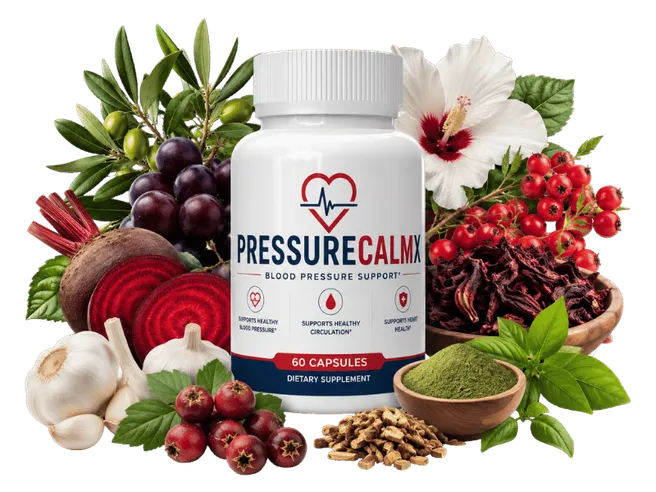
Cholesterol and blood pressure are two halves of the same picture, and a bergamot supplement only addresses one of them. This is the honest role for a product like PressureCalmX in a bergamot article: it is a blood-pressure support blend, not a cholesterol product, built around botanicals such as garlic, olive leaf and hawthorn to support blood pressure already within a normal range. Where bergamot supports the lipid side, PressureCalmX is aimed at the vascular side — and neither one is a treatment for disease. Before buying anything in this category, it is worth understanding exactly what a blood pressure supplement label is allowed to claim, because the same rules shape how honest any cholesterol product can be with you.
Related reading
Frequently asked questions
What does bergamot supplement do for cholesterol?
A bergamot supplement supplies citrus polyphenols that appear to influence how the liver handles fats. In human studies the standardised polyphenolic fraction has been associated with improvements across LDL, HDL and triglycerides over about four to twelve weeks. It supports a healthy lipid profile rather than treating a disease, and it is not a replacement for prescribed medication.
What is the best bergamot dosage?
Most studies use 500 to 1,000 mg of a standardised bergamot polyphenolic fraction per day, often taken before meals. The key figure is not the raw milligrams of citrus extract but the standardised polyphenol content, so check that the label states a bergamot polyphenolic fraction rather than a vague fruit powder.
Can I take bergamot with red yeast rice?
Bergamot and red yeast rice are frequently paired because they act through different mechanisms, and several combination products exist. Because red yeast rice behaves like a low-dose statin, the combination deserves a clinician's sign-off, especially if you already take a statin or have a history of muscle problems.
Does bergamot have side effects?
Citrus bergamot is generally well tolerated, with occasional reports of mild heartburn or digestive upset. As a citrus-derived compound it may theoretically interact with drug metabolism, so anyone taking prescription medication, especially statins or blood thinners, should confirm it is appropriate with a pharmacist or clinician first.
Round out your heart-health routine
Eight botanicals, one 620 mg blend, two capsules a day — with today's official-store pricing and a 60-day money-back guarantee.
Order Now