Hibiscus for Blood Pressure: What Studies Show
Does hibiscus lower blood pressure?
Hibiscus for blood pressure has real if modest support. In randomized trials of people with mildly elevated readings, hibiscus (Hibiscus sabdariffa) reduced readings by roughly 6 to 8 mmHg systolic and 3 to 4 mmHg diastolic over four to six weeks. It is well tolerated, and a standardized extract gives a steadier dose than tea.
- Typical tea protocols used three 240 mL cups of hibiscus daily for 4–6 weeks.
- Study doses ranged from about 100 mg of extract to 3.75 g of dried calyces per day.
- Hibiscus supports blood pressure already within a normal range; it does not replace prescribed medication.
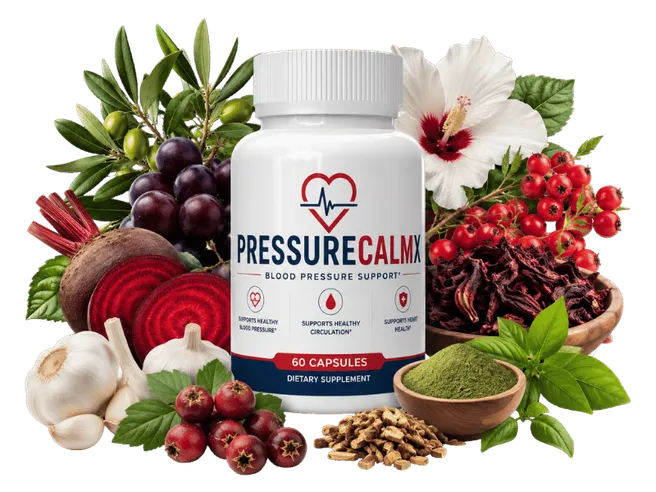
If you have ever searched for a natural way to keep your numbers in a comfortable range, hibiscus for blood pressure is a name that keeps surfacing — and for once the hype has some homework behind it. Among the dozens of herbs marketed for cardiovascular wellness, the deep-red calyx of Hibiscus sabdariffa is one of the very few with multiple human trials, not just test-tube promise or ancient reputation. That does not make it a miracle, and this article is not going to pretend it is one. What it will do is walk you through exactly what the studies found, how big the effect really is, how much you would have to take, and why the form you choose — a bag of dried petals or a measured extract — changes the whole conversation.
Here is the honest headline first: hibiscus produces a modest, repeatable reduction in blood pressure in people whose readings sit at the high end of normal or just above it. Modest is the operative word. If you are hoping a hot drink will do the work of a prescription, it will not, and any product that tells you otherwise is selling you a story. But if you are building a stack of small, evidence-backed habits to support a heart that is already working fine, hibiscus has earned a place in the conversation.
What the studies actually show about hibiscus for blood pressure
The most-cited work comes from randomized controlled trials in adults with pre-hypertension or mild, unmedicated elevation. In one widely referenced trial, participants who drank three cups — about 240 mL each — of brewed hibiscus tea daily for six weeks saw their systolic pressure fall by roughly 6 to 8 mmHg compared with a placebo beverage, with diastolic pressure easing by around 3 to 4 mmHg. Several later reviews that pooled multiple trials landed in the same neighbourhood: a systolic drop somewhere in the mid-single-digit mmHg range, and a smaller diastolic change.
To put those numbers in perspective, a 6 to 8 mmHg systolic shift is meaningful at a population level — it is the kind of change dietitians associate with cutting back on salt or losing a modest amount of weight — but at the individual level it is subtle. You will not feel it. You would only see it on a cuff, over weeks, and only if you measured consistently. That is the reality of almost every botanical in this space, and it is worth internalising before you spend money on any of them.
The dosing across the literature is all over the map, which is part of why hibiscus is so interesting and so frustrating at once. Studies have used anywhere from about 100 mg of a concentrated, standardized extract per day up to roughly 3.75 g of dried calyces, over periods ranging from 15 days to six weeks. The tea trials tended to use larger quantities of raw plant material; the capsule and extract trials used far less because the active compounds were concentrated. Across almost all of them, tolerability was good, with few side effects reported beyond the occasional mild stomach upset.
Why hibiscus seems to work
Hibiscus is rich in anthocyanins — the same class of deep-red plant pigments found in berries — along with organic acids and polyphenols. Researchers have proposed several overlapping mechanisms. Laboratory work suggests hibiscus extracts have a mild, natural ACE-inhibitor-like activity, gently influencing the same enzyme pathway that a whole class of prescription drugs targets, though far more weakly. Hibiscus also appears to have a mild diuretic effect and may support the flexibility of blood vessel walls through its antioxidant load. None of these mechanisms is dramatic on its own, and the honest read is that the modest clinical effect is probably the sum of several small nudges rather than one powerful lever.
What matters for you is that the mechanism is plausible and the human data broadly agrees with it. That combination — a sensible reason it should work, plus trials that show it modestly does — is rarer in the supplement aisle than the marketing would suggest. It is the same standard we apply when we look at hawthorn as a botanical for blood pressure and circulation, another plant with a long traditional record and a growing evidence base.
A concentrated-extract approach, not a teabag
PressureCalmX is built on concentrated botanical extracts taken twice a day, so the dose is the same in the morning as it is a month from now — the consistency raw tea can never promise. See today's official-store pricing and the 60-day money-back guarantee.
Order NowHibiscus tea vs standardized extract: which is better?
This is the question that actually decides whether hibiscus does anything useful for you, and it comes down to one word: dose. When you brew a cup of hibiscus tea, the amount of active anthocyanins that ends up in your glass depends on how much plant you used, how hot the water was, how long you steeped it, and even the particular harvest the petals came from. Two cups from the same box, brewed a minute apart, are not the same dose. Over the weeks it takes hibiscus to show any effect, that variability works against you.
A standardized extract solves that problem by design. The manufacturer measures the concentration of active compounds and packs a consistent amount into each capsule, so today's dose matches tomorrow's and next month's. That is exactly why extract-based formulas are easier to study in the first place — researchers need to know what participants are actually taking — and it is why a concentrated extract is the more practical choice for anyone trying to build a repeatable daily habit. This is the logic behind a blend like PressureCalmX, which leans on concentrated botanical extracts rather than raw powders so the amount you take does not drift from one bottle to the next.
None of this means tea is worthless. If you enjoy hibiscus tea, it is a pleasant, low-cost, low-risk drink, and three cups a day was the protocol in some of the positive trials. But if your goal is a measured, consistent dose you do not have to think about, an extract is the cleaner tool. For a wider look at how the category compares, our guide to the best blood pressure supplements for 2026 puts hibiscus alongside the other ingredients worth knowing.
How much hibiscus, and how long before it works?
If you are drinking tea, the trial-backed protocol is roughly three 240 mL cups spread through the day. If you are using a standardized extract, follow the label — effective study doses started around 100 mg of concentrated extract daily, and reputable products are formulated within a sensible range. PressureCalmX, for the record, is taken as two capsules a day with a meal, which is the kind of split-dose schedule that keeps a botanical's effect steadier across the day.
On timing, patience is the whole game. Most trials measured their change at the four-to-six-week mark, and a few saw movement by two weeks. Hibiscus is not a pill you take when your reading looks high and expect to feel calmer an hour later. It is a slow, cumulative habit. The single most common reason people conclude a botanical did nothing is that they quit at two weeks, before it had a fair chance. If you are going to try it, commit to at least a month and, ideally, track your readings with a home cuff so you are working from data rather than impressions.
Three myths and objections worth clearing up
"Isn't hibiscus the one with the licorice warning?" No — and this mix-up is common enough to be worth stating plainly. Licorice root can raise blood pressure in some people and is a genuine caution, but licorice is a completely different plant from hibiscus. Hibiscus itself was well tolerated across the trials. The confusion usually comes from herbal-tea blends that combine several ingredients; always read what is actually in the box.
"Natural means I can take it with anything." Not quite. Hibiscus is low-risk for most healthy adults, but "natural" is never a synonym for "no interactions." Because hibiscus can nudge blood pressure downward, it is sensible to be cautious if you already take antihypertensive medication, and there is some evidence it can affect how the body handles certain drugs. If you take prescription medicine, are pregnant, or manage a health condition, clear any new supplement with your clinician first. That is not a legal disclaimer for its own sake — it is genuinely the smart move.
"If tea works, the supplement is just marketing." This gets it backwards. The reason extracts exist is precisely that tea is inconsistent. A supplement that standardizes the dose is not diluting the science; it is applying it. The fair criticism to level at the category is the opposite one — proprietary blends that hide how much of each botanical you are actually getting. We wrote a whole piece on choosing supplements to support blood pressure naturally that walks through how to read a label so you are not paying for a mystery.
Where hibiscus fits in a sensible routine
Think of hibiscus the way you would think of a good walking habit or a lower-salt diet: a small, steady contributor, not a headline act. It works best inside a broader routine — movement, sleep, weight, sodium, and stress all matter more than any single capsule — and its modest effect stacks with the other levers rather than replacing them. That is also why it so often appears not on its own but as one component of a multi-botanical formula, where it can sit beside ingredients like hawthorn, olive leaf and garlic that support healthy circulation through complementary paths.
PressureCalmX takes exactly that approach: a group of concentrated botanical extracts in a twice-daily capsule, sold with a 60-day money-back guarantee so you can give the four-to-six-week window the studies used a fair, low-risk trial. It supports blood pressure already within a normal range — the honest, legal claim for this category — and it is not a substitute for medication or medical care. If that framing matches what you are looking for, it is worth a look.
Related reading
Give the four-to-six-week window a fair trial
PressureCalmX packs concentrated botanical extracts into a twice-daily capsule and ships with a 60-day money-back guarantee — long enough to run the same timeline the studies used.
Order NowFrequently asked questions
Does hibiscus really lower blood pressure?
Randomized trials in people with mildly elevated readings have shown modest reductions, on the order of 6 to 8 mmHg systolic and 3 to 4 mmHg diastolic over four to six weeks. The effect is real but small, and it supports blood pressure already in a normal range rather than replacing treatment for diagnosed hypertension.
How much hibiscus should I take daily for blood pressure?
Study doses have ranged widely, from about 100 mg of concentrated extract to roughly 3.75 g of dried calyces per day, taken for 15 days to 6 weeks. Tea protocols often used three cups of 240 mL brewed daily. A standardized extract makes the anthocyanin dose consistent, which raw tea cannot guarantee.
Is hibiscus tea or hibiscus extract better?
Both have evidence. Tea is pleasant and inexpensive but its strength varies with steeping time, water temperature and the batch of flowers. A standardized extract delivers a measured amount of active compounds in every dose, which is why extract-based formulas are easier to study and to repeat day to day.
How long does hibiscus take to lower blood pressure?
Most trials measured a change within four to six weeks of daily use. Some saw movement in as little as two weeks. Hibiscus is not a fast-acting remedy; it is a daily habit whose small effect accumulates, so consistency over a month or more matters far more than any single dose.