Supplements to Lower Blood Pressure Naturally
What supplements actually help lower blood pressure?
The best-supported single ingredients are magnesium, hawthorn, hibiscus (as a standardised extract or tea) and omega-3 fish oil. Garlic and olive leaf have smaller but consistent data. Each supports blood pressure already within a normal range rather than treating hypertension, and each works best alongside diet and exercise.
- Effect sizes are modest — think a few points on average, not a dramatic fall.
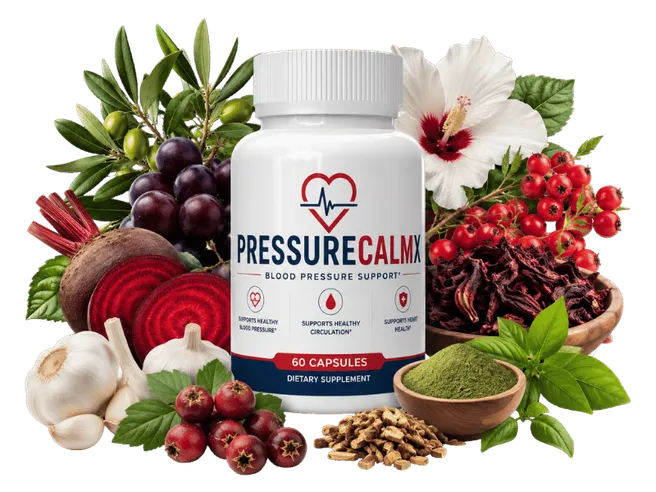
- An all-in-one blend such as PressureCalm bundles several of these botanicals into one twice-daily capsule.
- Always show the full label to your clinician before combining supplements with blood pressure medication.
If you have been searching for supplements to lower blood pressure, you have probably waded through a lot of noise — miracle claims on one side, blanket "supplements do nothing" dismissals on the other. The truth sits in between, and it is more useful than either extreme. A handful of natural ingredients have genuine randomised controlled trial (RCT) data behind them for supporting healthy blood pressure. None of them is a drug, none replaces a prescription, and none produces a dramatic overnight drop. But used sensibly, alongside the food and movement changes that do the heavy lifting, they can nudge your numbers in the right direction.
This guide walks through the ingredients that actually earned their reputation, what the studies really measured, and how a convenient all-in-one blend like PressureCalm packages several of them together. We keep it honest: no promises to treat, prevent or cure anything, and a clear reminder to loop in your clinician before you start.
Why look at supplements to lower blood pressure at all?
Blood pressure creeps. Most people who cross into elevated readings did not get there overnight, and the everyday fixes — less sodium, more potassium-rich produce, weight loss, movement, better sleep, less alcohol — are unglamorous and take discipline. Supplements are attractive because they are simple: one bottle, a fixed daily habit, no willpower required at the dinner table. That simplicity is exactly why they get oversold.
The right frame is "complement," not "cure." The DASH eating pattern alone can move systolic pressure by 8 to 14 mmHg in people who follow it closely, and regular aerobic exercise adds another 5 to 8 mmHg. Nothing in a capsule competes with those numbers. What supplements can do is fill specific nutritional gaps and add a few incremental points — and for someone already eating and moving well, a few points can be the difference between comfortable and borderline.
The ingredients with real RCT data
Here is where the evidence is strongest, roughly in order of how well studied each one is.
Magnesium
Magnesium is the quiet workhorse of the category. Many adults run low on it, and it plays a direct role in relaxing the smooth muscle lining your blood vessels. A 2025 meta-analysis in Hypertension pooling dozens of trials found supplemental magnesium lowered systolic pressure by roughly 2.81 mmHg and diastolic by about 2.05 mmHg on average. That is a small shift, but it is consistent and it is real — and the benefit tends to be larger in people who were deficient to begin with. If you want the deeper breakdown, our companion guide on the right magnesium dosage for blood pressure covers forms and timing.
Hawthorn
Hawthorn (Crataegus) is one of the oldest cardiovascular botanicals in the herbal cabinet, and unlike a lot of folk remedies it has held up under study. Across trials running two to six months, standardised hawthorn extract has been associated with systolic reductions of around 6.65 mmHg. It appears to work partly by gently widening blood vessels. The catch is time: hawthorn is a slow burner, so it is a poor fit for anyone expecting a quick number.
Hibiscus
Hibiscus (Hibiscus sabdariffa), usually taken as a tart tea or standardised extract, punches above its weight. Controlled trials over four to six weeks have shown average reductions in the region of 6 to 8 mmHg systolic and 3 to 4 mmHg diastolic. It is rich in anthocyanins and other polyphenols, and it is one of the more approachable options because you can simply drink it. If tea is not your thing, an extract delivers a more predictable dose.
Omega-3 (fish oil)
The long-chain omega-3s EPA and DHA are best known for triglycerides, but they also earn a place here. Pooled trials put their effect at roughly 2 to 4 mmHg, with the larger changes seen at higher doses and in people who started higher. Omega-3 is also one of the better-tolerated options, which matters for something you take every day.
Garlic and olive leaf
Aged garlic extract has a smaller but reasonably consistent body of evidence for supporting healthy blood pressure, and olive leaf (rich in oleuropein) has shown promising results in a handful of trials. Neither is as heavily studied as magnesium or hibiscus, but both are plausible contributors in a combined formula — which is exactly how PressureCalm uses them.
| Ingredient | Typical study effect (systolic) | Timeframe studied |
|---|---|---|
| Magnesium | ~2.81 mmHg (diastolic ~2.05) | 4–12 weeks |
| Hawthorn | ~6.65 mmHg | 2–6 months |
| Hibiscus | ~6–8 mmHg | 4–6 weeks |
| Omega-3 | ~2–4 mmHg | 8+ weeks |
Figures are averages pooled across many participants and study designs. They describe support for blood pressure already within a normal range and are not a promise of results for any individual.
One capsule, several of the ingredients above
PressureCalm bundles hawthorn, garlic, olive leaf and other botanicals into a single twice-daily capsule, backed by a 60-day money-back guarantee from the official store.
Order NowWhere an all-in-one blend like PressureCalm fits
Buying magnesium, hawthorn, hibiscus and omega-3 separately means four bottles, four doses and four reminders. Most people do not sustain that. The appeal of a combined formula is adherence: one product, taken twice a day with a meal, is far easier to actually keep doing for the eight-plus weeks these ingredients need. PressureCalm takes that approach, folding eight botanicals into a single daily routine.
We will be straight with you about the trade-off, because it matters. PressureCalm uses a proprietary blend, which means the label publishes one combined total rather than the exact milligrams of each botanical. That makes it impossible to line every ingredient up against the study doses above. For convenience-seekers that is an acceptable trade; for data purists it is a real limitation. We unpack that tension in our roundup of the best blood pressure supplements of 2026, where transparency is one of the scoring criteria.
Three myths worth clearing up
Myth 1: "Natural means it can't interact with my medication." This one is dangerous. Several of these ingredients can add to the effect of prescription antihypertensives — stacking a supplement on top of a drug can push your pressure lower than intended. Natural does not mean inert. It means: show the label to your pharmacist.
Myth 2: "If a little helps, more will help faster." Effect sizes plateau, and megadosing magnesium mostly buys you digestive upset. The study benefits came from sensible, food-adjacent doses taken consistently, not from heroic amounts.
Myth 3: "A supplement can replace the diet-and-exercise stuff." It cannot, and the numbers make that obvious. If you only do one thing, make it the eating pattern — then let a supplement add its few points on top. Readers chasing a faster start often pair a blend with the tactics in our guide on how to lower blood pressure naturally and fast.
How much, and how long, to realistically expect
Set expectations before you start, because unmet expectations are why people quit at week three — right before most of these ingredients would have shown anything. Assume a modest change: a few points, layered on top of whatever your lifestyle changes deliver. Assume a timeline of at least four to eight weeks, and up to a couple of months for the slower botanicals like hawthorn.
The single most useful habit is measurement. Buy a validated upper-arm home monitor, take readings at the same time of day under the same conditions, and log them. Judge any supplement on the trend across weeks, not on one reading after a stressful commute. If your numbers are not where you want them after a fair trial, that is real information — take it to your clinician rather than doubling down.
A word on safety
This is the part we will not soften. If you take prescription medication, are pregnant or nursing, have kidney disease, or are heading for surgery, talk to a qualified healthcare professional before starting any of these supplements. Magnesium needs care with reduced kidney function; omega-3 and garlic can affect bleeding; and anything that supports lower blood pressure can compound a drug that already does. None of this is a reason to avoid supplements — it is a reason to start them with your clinician in the loop rather than in the dark.
Building a simple daily routine that actually sticks
The best supplement is the one you remember to take, so the practical question is less "which molecule" and more "which habit." Anchor the dose to something you already do twice a day — breakfast and dinner are the obvious pegs, and taking capsules with food also softens the stomach upset some people get from magnesium. Keep the bottle where you eat, not in a bathroom cabinet you visit on a different schedule.
Then build the routine outward in a sensible order. Start with the eating pattern, because it is the biggest lever: more potassium-rich vegetables and fruit, less added salt, moderate alcohol. Add a daily walk you can sustain in the weather you actually have. Layer sleep and stress management on top, since both quietly push readings up. Only then does a blend like PressureCalm do its job — adding a few points to a foundation that is already moving in the right direction. Stack in that order and the supplement is a genuine contributor; skip the foundation and it is a lonely capsule doing the work of eight lifestyle changes it was never meant to replace. Review the whole stack with your clinician once a season, and let your home cuff tell you what is working.
Related reading
- Best blood pressure supplements of 2026, compared and scored
- Magnesium for blood pressure: the right dosage and form
- Hibiscus for blood pressure: what the tea-and-extract trials show
- How to lower blood pressure naturally and fast
Frequently asked questions
What supplements actually help lower blood pressure?
The best-supported single ingredients are magnesium, hawthorn, hibiscus (as a standardised extract or tea) and omega-3 fish oil. Garlic and olive leaf have smaller but consistent data. Each supports blood pressure already within a normal range rather than treating hypertension, and each works best alongside diet and exercise.
How much can supplements realistically lower blood pressure?
Realistically a few points, not a dramatic drop. Meta-analyses put magnesium at roughly 2 to 3 mmHg systolic, omega-3 at 2 to 4 mmHg, and hibiscus and hawthorn a little higher over several weeks. Those are averages across many people, so your own change may be larger, smaller or none.
Are blood pressure supplements safe with prescription BP medication?
They can be, but several ingredients can add to the effect of antihypertensive drugs or interact with them, so combining them without advice can push readings too low. Never stop a prescribed medicine to try a supplement. Show the full label to your doctor or pharmacist and let them check for interactions first.
How long before blood pressure supplements start working?
Most studies run for four to eight weeks before measuring a change, and some ingredients such as hawthorn were assessed over two to six months. Give any supplement at least a full month of consistent daily use, track your numbers with a home cuff, and judge it on the trend rather than a single reading.
Prefer one bottle to four?
See today's official-store pricing on PressureCalm's all-in-one botanical blend, with a 60-day money-back guarantee.
Order NowReferences
- 2025 meta-analysis in Hypertension on supplemental magnesium and blood pressure (pooled systolic ~2.81 mmHg, diastolic ~2.05 mmHg).
- Systematic reviews of standardised hawthorn (Crataegus) extract over 2–6 months (~6.65 mmHg systolic).
- Randomised trials of Hibiscus sabdariffa tea and extract over 4–6 weeks (~6–8 / 3–4 mmHg).
- Meta-analyses of long-chain omega-3 (EPA/DHA) and blood pressure (~2–4 mmHg).
- DASH dietary pattern and aerobic exercise blood-pressure literature (8–14 mmHg and 5–8 mmHg respectively).