How to Lower Blood Pressure Naturally and Fast
How can I lower my blood pressure naturally and fast?
If you want to know how to lower blood pressure naturally, the quickest movers are a DASH-style diet, worth roughly 8 to 14 mmHg over a few weeks, and regular aerobic exercise, worth about 5 to 8 mmHg. Cut sodium, lose five percent of body weight if you carry extra, sleep well and limit alcohol. Slow breathing can calm an acute spike within minutes.
- Diet and movement do the heavy lifting; they work in weeks, not months.
- For a sudden reading, recline quietly and slow your breathing to six breaths a minute for ten minutes.
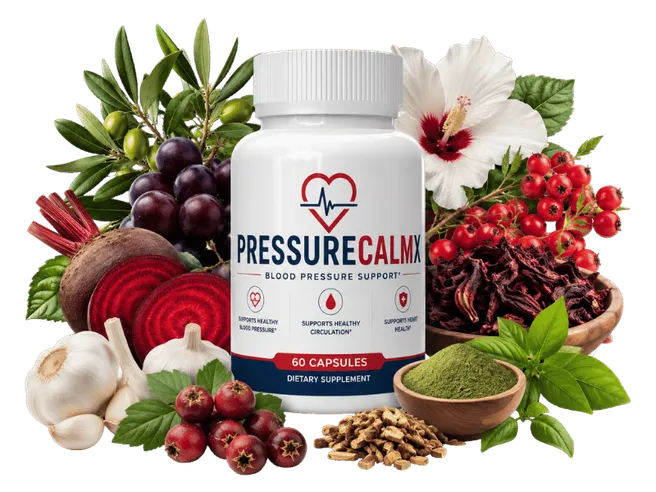
- Daily nutritional support such as PressureCalmX is a habit-stacker, not a replacement for the food-and-movement basics.
If you have just seen a high number on a cuff, you want two things at once: something you can do this afternoon, and something that actually holds. This guide covers both, and it is honest about the difference. Learning how to lower blood pressure naturally is less about a miracle food and more about stacking a handful of changes that each nudge the number down, until together they add up to a meaningful drop. None of what follows is medical advice, and none of it replaces the conversation you should have with a clinician and a home monitor — but the levers are well studied, and most of them are free.
Let us start with the honest framing. "Fast" in blood pressure terms usually means weeks, not minutes. The habits below can begin working within days and reach much of their effect inside four to eight weeks. There is a small category of things that calm an acute spike in the moment, and we will get to those, but the durable wins come from what you do repeatedly.
How to lower blood pressure naturally, starting this week
Think of your reading as the sum of several inputs: what is on your plate, how much you move, how well you sleep, how much sodium and alcohol you take in, and how much your nervous system is running hot. Each input is a dial. You do not have to max out every dial at once — turning three or four of them a notch is usually enough to shift the number in a way you and your doctor can measure. Below are the dials with the strongest evidence behind them, roughly in order of impact.
Eat the DASH way: the single biggest food lever (8–14 mmHg)
The DASH eating pattern — Dietary Approaches to Stop Hypertension — is the most studied diet for this exact goal, and in trials it lowers systolic pressure by roughly 8 to 14 mmHg in people with elevated readings. That is a bigger swing than most people expect from food alone. DASH is not a fad; it is simply a plate built around vegetables, fruit, whole grains, beans and lentils, nuts, low-fat dairy and lean protein, with far less salt, added sugar and ultra-processed food than a typical Western diet.
What makes it work is the combination. You are pushing up potassium, magnesium, calcium and fibre while pushing down sodium and refined carbohydrate. Potassium in particular helps your body shed excess sodium, and the two minerals work as a see-saw. If you want the biggest single food win this week, it is not adding one "superfood" — it is shifting the whole ratio of your plate toward plants and away from the packet.
Practical version: fill half your plate with vegetables at two meals a day, swap refined grains for oats, brown rice or barley, eat beans or lentils several times a week, and treat heavily processed foods as an occasional thing rather than a default. Potassium-rich picks like leafy greens, beets, bananas, beans and plain yoghurt do a lot of quiet work here.
Move most days: aerobic exercise (5–8 mmHg)
Regular aerobic exercise lowers resting blood pressure by about 5 to 8 mmHg — and it starts working quickly, with a single session producing a temporary dip and consistent training producing a lasting one. You do not need a gym or a marathon. The classic target is around 150 minutes a week of moderate activity: brisk walking, cycling, swimming, dancing, anything that leaves you slightly breathless but still able to talk. Split however suits you — five thirty-minute walks, or shorter bouts across the day.
Two underrated details. First, consistency beats intensity for this particular outcome; a daily brisk walk will out-perform an occasional punishing workout. Second, breaking up long stretches of sitting matters on its own, so standing and moving for a few minutes each hour is a genuine, free intervention. If you are new to exercise or already have a cardiovascular condition, check with your clinician about a sensible starting point.
Calm an acute spike: slow breathing and reclining
Here is the part people actually search for when they are anxious about a high reading in the moment. When your pressure spikes because you are stressed, in pain or startled, you can nudge it back down within minutes by shifting your nervous system out of fight-or-flight. Sit or lie back somewhere quiet, drop your shoulders, and slow your breathing to roughly six breaths a minute — a long, gentle inhale through the nose and a longer exhale — for about ten minutes. Reclining removes the small pressure cost of standing, and slow breathing activates the parasympathetic "rest and digest" system.
Be clear-eyed about what this is: a way to ease a temporary spike and to avoid the false-high reading that comes from taking your pressure while tense. It is not a treatment, and it will not fix chronically high numbers. If a reading is very high and paired with symptoms like chest pain, severe headache, vision changes or shortness of breath, that is an urgent-care situation, not a breathing exercise. When in doubt, get medical help.
Trim sodium, lose a little weight, and rein in alcohol
Three more dials, each worth turning. Sodium: most of the salt in a modern diet is hidden in processed and restaurant food, not the shaker. Cutting back — reading labels, cooking more at home, leaning on herbs and acid instead of salt — reliably lowers pressure, and the effect is largest in people who are salt-sensitive. Weight: if you carry extra weight, losing even five percent of your body weight can produce a measurable drop, and the benefit compounds with the diet and exercise changes above. Alcohol: more than a moderate amount raises pressure, so trimming intake — or having several alcohol-free days a week — is a straightforward win.
Sleep and stress: the dials people skip
Blood pressure has a daily rhythm and is supposed to dip at night. Short or broken sleep, and especially untreated sleep apnoea, blunts that dip and keeps daytime numbers higher. Protecting seven-plus hours, keeping a consistent schedule and getting snoring or gasping investigated can matter more than any single food. Chronic stress works through the same nervous-system channel as an acute spike, just constantly — so the calming practices above, done as a daily habit rather than an emergency measure, help the long-term number too.
Daily support that sits alongside the habits
PressureCalmX is a twice-daily capsule of botanicals and minerals, formulated to support blood pressure already within a normal range while you do the food-and-movement work. It stacks with your routine — it does not replace it.
See PressureCalmX at the Official StoreWhere a supplement like PressureCalmX fits
Supplements are the last dial on the board, not the first — and any honest page should say so. A capsule cannot out-argue a diet full of ultra-processed food or a sedentary week. What a well-formulated blood pressure supplement can do is help you top up nutrients that support normal cardiovascular function, on the days your plate falls short. PressureCalmX takes that supporting role: two capsules a day with a meal, built around botanicals and bioavailable minerals, and labelled — as the category legally must be — to support blood pressure already within a normal range rather than to lower a high one.
If you want to understand the evidence behind the individual nutrients, our deep dive on the right magnesium dosage and timing for blood pressure is the best next read, and our overview of the supplements with the strongest blood-pressure evidence puts them side by side. The point is to use a supplement as a habit-stacker on top of DASH and daily movement — never as a reason to skip them.
Three myths worth clearing up
"There's a food that lowers it instantly." There isn't. Beetroot juice, hibiscus tea, garlic and dark chocolate all have some evidence behind them, but the effects are modest and they work best as part of the whole DASH pattern, not as a magic bullet you drink once. If you are curious about the tea specifically, see our look at whether hibiscus really helps blood pressure.
"If I feel fine, my pressure is fine." High blood pressure usually has no symptoms, which is exactly why it earned the "silent" nickname. Feeling normal tells you nothing about your number — only a cuff does. Measure at home, at the same times, and bring the log to your clinician.
"Natural means I can stop my medication." No. These habits complement medical care; they do not authorise you to change or stop a prescription. Stopping an antihypertensive to "go natural" is genuinely dangerous. Make lifestyle changes, track the effect, and let your doctor decide what happens to your medication based on real readings.
Measure properly, or none of this means anything
Every lever above is judged by one thing: your home readings. And most home readings are quietly wrong, which leads people to either panic or relax for no reason. A few rules fix that. Sit still for five minutes first, feet flat on the floor and back supported — not perched on the edge of the sofa. Rest your arm on a table so the cuff sits at heart height, because a dangling arm reads high. Do not measure straight after coffee, a cigarette or exercise, and do not talk during the reading. Take two or three readings a minute apart, morning and evening, and record the average rather than cherry-picking the lowest one.
Do this for a week before and a few weeks after you change your habits, and you will have something a clinician can actually use — a trend, not a single scary snapshot. It also protects you from the "white-coat" effect, where the reading at the doctor's office runs higher than your true resting number simply because you are tense. A calm, consistent home log is the difference between guessing and knowing whether your natural changes are working.
A realistic first-month plan
If you want a sequence rather than a menu: week one, shift your plate toward DASH and start a daily brisk walk. Week two, attack hidden sodium and add a nightly ten-minute slow-breathing wind-down. Week three, tidy up sleep and alcohol. Week four, review a week of home readings with your clinician and decide whether daily nutritional support like PressureCalmX belongs in the mix. Small, stacked, and measured — that is what turns "how to lower blood pressure naturally" from a search into a number that actually moves.
Ready to add daily support to your routine?
Eight botanicals and supporting minerals, two capsules a day, with a 60-day money-back guarantee from the official store.
Order PressureCalmX NowFrequently asked questions
How can I lower my blood pressure quickly at home?
For a temporary spike, sit or lie back somewhere quiet, unclench your shoulders and slow your breathing to about six breaths a minute for ten minutes. Reclining and slow breathing calm the nervous system and can ease an acute reading. Sustained change, though, comes from daily habits, not a one-off trick.
What is the fastest natural way to reduce blood pressure?
The fastest lasting movers are the DASH eating pattern, which trims roughly 8 to 14 mmHg over weeks, and regular aerobic exercise, worth about 5 to 8 mmHg. Cutting sodium and losing five percent of body weight stack on top. None of these are instant, but they work in weeks rather than months.
Which foods lower blood pressure the most?
Foods rich in potassium, magnesium and fibre carry the most evidence: leafy greens, beans and lentils, bananas, beets, berries, oats, plain yoghurt, nuts and fatty fish. The DASH pattern bundles these together while cutting salt, added sugar and ultra-processed food, which is why it outperforms any single food.
Can breathing exercises really lower blood pressure?
Yes, in the short term. Slow, deep breathing at around six breaths a minute activates the parasympathetic system and can lower an acute reading within minutes. The effect is temporary, so daily practice matters if you want breathing work to contribute to your longer-term numbers.
Related reading
Supplements to lower blood pressure naturally
Which blood-pressure supplements actually have evidence behind them, ranked and compared.

Magnesium for blood pressure: dosage & timing
How much magnesium to take, which form, and how long it takes to work.
Hibiscus for blood pressure
Does the tea live up to the headlines, and how much would you actually need?
PressureCalmX reviews: does it work?
An independent look at the label, the claims and what the blend can and cannot promise.
References
- Dietary Approaches to Stop Hypertension (DASH) trial data on systolic reductions of roughly 8–14 mmHg.
- American Heart Association guidance on aerobic activity and resting blood pressure (approximately 5–8 mmHg).
- Published work on slow-paced breathing and acute reductions in blood pressure.